

The Briefing
Three Formula 1 engineers set out to fix the electric scooter. They ended up deleting it's most popular feature.
Why a growing number of car owners are quietly replacing short drives with something that costs less than a few months of car payments.
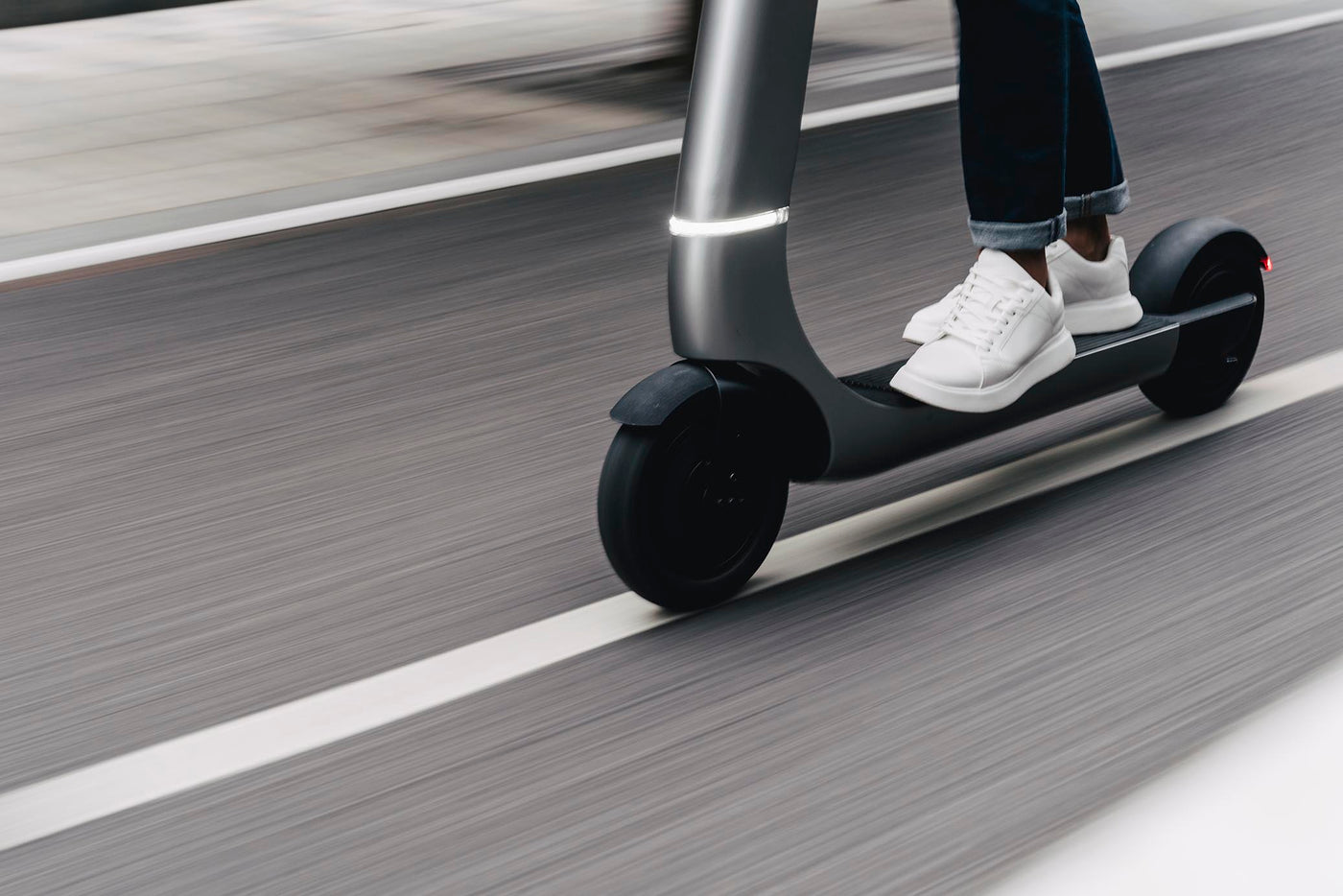
It started as a simple question.
A small team of designers, three of them from the world of automotive and Formula 1 engineering, wanted to know why electric scooters were so bad. Not bad-looking. Bad to ride. So they did something most scooter brands never bother to do. They bought the ten best-selling scooters in the world and rode every one.
The findings were worse than they expected.
Fast ones, cheap ones, foldable ones, off-road ones. Every single model wobbled at speed. Most struggled up the smallest hill. And nearly all of them felt cheap, because they were built that way to hit a price. These were the best-sellers, the ones millions of people actually buy, and not one of them was a vehicle the engineers looked forward to riding.
Then they noticed the pattern. The thing nearly every scooter had in common. The thing customers actually ask for.
The fold.
The feature everyone wants is the reason every scooter feels cheap
Here's what no scooter brand will tell you, because they're all selling the fold as a feature: a folding hinge in the middle of a vehicle is a structural disaster.
It's the part that wobbles. The part that loosens over a few hundred miles. The part that rattles, flexes, and eventually fails. You feel it as that vague, nervous looseness at speed, the sense that the thing under your feet isn't quite solid. Engineers have a word for it. They call it a hinge because that's exactly what it is: a deliberate weak point, designed into the middle of the one vehicle you trust with your balance.
Cars don't fold in half. Motorcycles don't fold in half. There's a reason for that.
So the team made a decision that sounds, at first, insane. They deleted the fold.
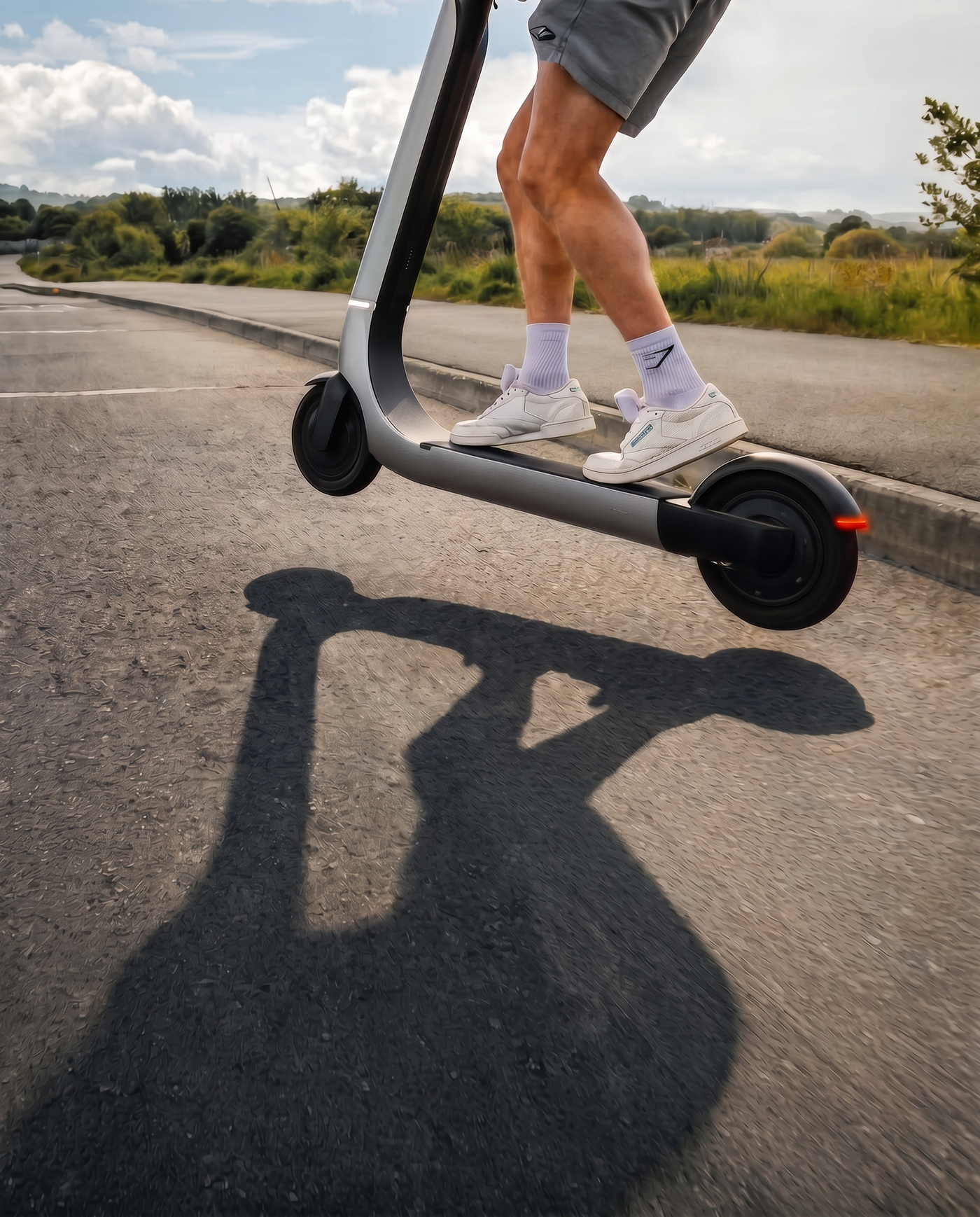
What you get when you remove the weak point
In its place: a single, unbroken piece of aerospace-grade aluminium — the Monocurve chassis, roughly 30× stiffer than a Segway. Owners reach for the same word over and over: floating.
You feel like you're floating along.
— Craig W., Bo owner
Why car people are the ones buying it
The Bo M3 does 25 mph, climbs hills most scooters stall on thanks to 28.2 lb-ft of torque and an instant zero-start launch, and goes 30 to 40 miles on a charge.
See the Bo M3
The top-of-the-range Bo. Designed by Formula 1 engineers, built without the one feature making every other scooter feel cheap.
$2,190 launch price · From $97/mo, 0% APR available · 100-day on-road trial
This is an advertisement and not a news article. Claims, pricing, trial terms and reviews are accurate as of publication and subject to change. Testimonials are individual experiences and not a guarantee of results.